Mount Kilimanjaro Detailed Gear Checklist
Climbing Mount Kilimanjaro requires preparation for temperatures ranging from hot and sunny at the base to below -15°C near the summit. Layering is the key to staying comfortable and safe.
1. Essential Documents
☐ Passport
☐ Visa (if required)
☐ Travel insurance covering high-altitude trekking (up to 6,000m)
☐ Flight tickets and travel itinerary
☐ Emergency contact information
☐ Cash for tips and personal expenses
2. Clothing System
Base Layers (Moisture-Wicking)
These are worn next to your skin and should keep you dry.
☐ 2–3 thermal long-sleeve tops
☐ 2 thermal leggings/bottoms
☐ 3–5 moisture-wicking hiking shirts
☐ 4–6 pairs quick-dry underwear
☐ 2–3 sports bras (ladies)
Avoid cotton clothing.
Mid Layers (Insulation)
These provide warmth during cold mornings and evenings.
☐ Fleece jacket
☐ Fleece pullover or hoodie
☐ Lightweight insulated jacket
Outer Layers (Waterproof & Windproof)
Weather can change quickly on Kilimanjaro.
☐ Waterproof jacket with hood (Gore-Tex or equivalent)
☐ Waterproof hiking pants
☐ Windproof shell jacke
Summit Layer
The summit push starts around midnight and is extremely cold.
☐ Heavy down jacket (-10°C to -20°C protection)
☐ Thermal top and bottom
☐ Fleece jacket
☐ Waterproof shell jacket
☐ Warm trekking pants
3. Headwear
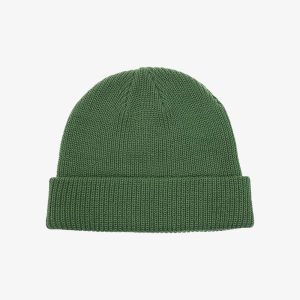
☐ Warm beanie
☐ Sun hat with wide brim
☐ Buff or neck gaiter
☐ Balaclava for summit night
☐ Sunglasses (Category 3 or 4 UV protection)
4. Hand Protection
☐ Lightweight liner gloves
☐ Insulated fleece gloves
☐ Waterproof outer gloves or mittens
Bring two pairs in case one gets wet.
5. Footwear
Hiking Boots
☐ Waterproof hiking boots with ankle support
Important: Break them in before the climb.
Socks
☐ 4–6 pairs hiking socks
☐ 2 pairs thick wool socks for summit day
☐ Liner socks (optional)
Camp Footwear
☐ Sandals, Crocs, or camp shoes
6. Backpack System
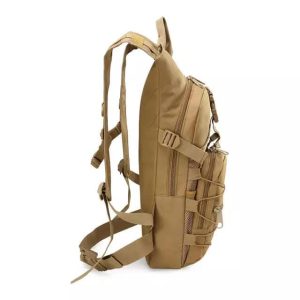
Daypack (30–40L)
Carry daily essentials:
☐ Water
☐ Camera
☐ Rain gear
☐ Snacks
☐ Warm layers
Duffel Bag (80–100L)
Usually carried by porters.
☐ Waterproof duffel bag
☐ Dry bags or waterproof stuff sacks
7. Sleeping Gear
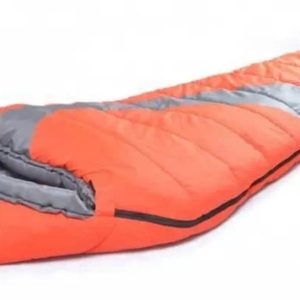
☐ Four-season sleeping bag (-10°C to -20°C rating)
☐ Sleeping bag liner
☐ Inflatable pillow (optional)
☐ Ear plugs
8. Hydration
☐ 2–3 litre hydration bladder
☐ 1 litre water bottle
☐ Insulated bottle cover (for summit night)
☐ Electrolyte tablets
Drink 3–4 litres daily to aid acclimatization.
9. Trekking Equipment
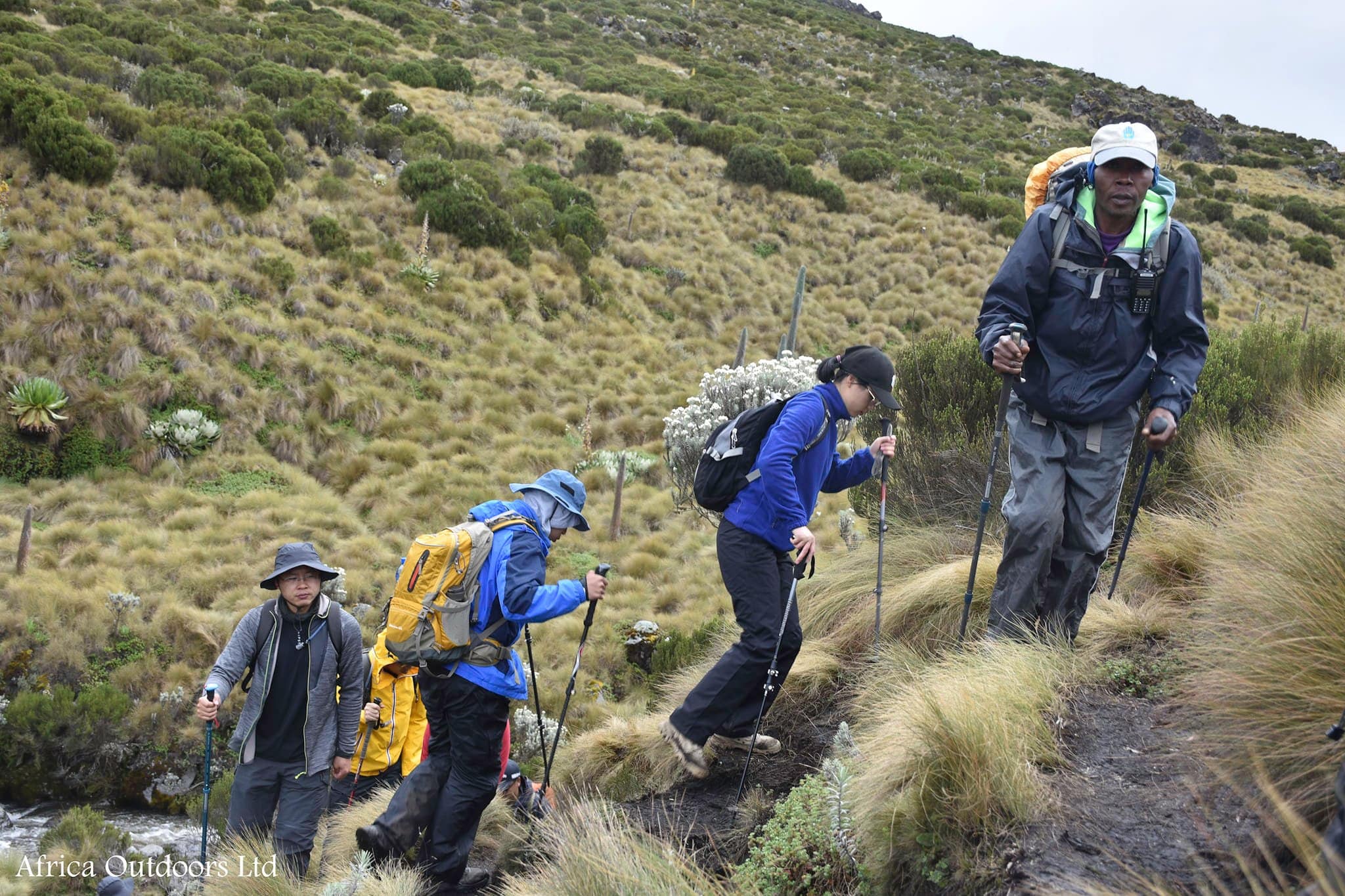
☐ Trekking poles (highly recommended)
☐ Headlamp (minimum 300 lumens)
☐ Spare batteries
☐ Power bank (10,000–20,000 mAh)
☐ Camera
☐ Charging cables
☐ Watch or altimeter (optional)
10. Personal Hygiene
☐ Toothbrush and toothpaste
☐ Wet wipes
☐ Hand sanitizer
☐ Biodegradable soap
☐ Small towel
☐ Toilet paper
☐ Tissue packs
11. Sun Protection
☐ Sunscreen SPF 50+
☐ Lip balm SPF 30+
☐ Sunglasses
☐ Sun hat
The sun at high altitude is extremely strong even on cloudy days.
12. Medical & First Aid
☐ Personal medications
☐ Pain relievers
☐ Blister treatment (Compeed/Moleskin)
☐ Band-aids
☐ Antiseptic wipes
☐ Rehydration salts
☐ Diamox (consult your doctor before use)
13. Snacks
☐ Energy bars
☐ Chocolate
☐ Nuts and trail mix
☐ Electrolyte drinks
☐ Energy gels (optional)
14. Optional Luxury Items
☐ Camera with spare batteries
☐ Journal and pen
☐ Playing cards
☐ Travel pillow
☐ Binoculars
☐ Lightweight book
Summit Night Checklist
Wear:
- Thermal base layer
- Fleece layer
- Down jacket
- Waterproof shell
- Warm trekking pants
- Thick wool socks
- Waterproof hiking boots
- Balaclava
- Beanie
- Insulated gloves
Carry:
- Headlamp
- 2 litres water
- Energy snacks
- Camera
- Extra gloves
Typical Kilimanjaro Rental Gear
Most operators can provide:
- Sleeping bag
- Down jacket
- Trekking poles
- Gaiters
- Duffel bag
- Sleeping mat
Before departure, confirm exactly what your operator provides so you only pack what is necessary.