Top Highest Mountains in Africa

Mount Kilimanjaro is the highest peak in Africa. But do you know the nine next-highest mountains in Africa? 

1) Mount Kilimanjaro

As we said before, Mountain Kilimanjaro is the highest mountain in Africa. It has close to 35,000 visitors who attempt its summit every year. It is a dormant volcano located in the northern part of Tanzania. Kilimanjaro is near the border between Tanzania and Kenya. Kilimanjaro is also the tallest freestanding mountain in the world. Its width is about 25 miles across.

  • Height: 19,341′
  • Country: Tanzania

2) Mount Kenya

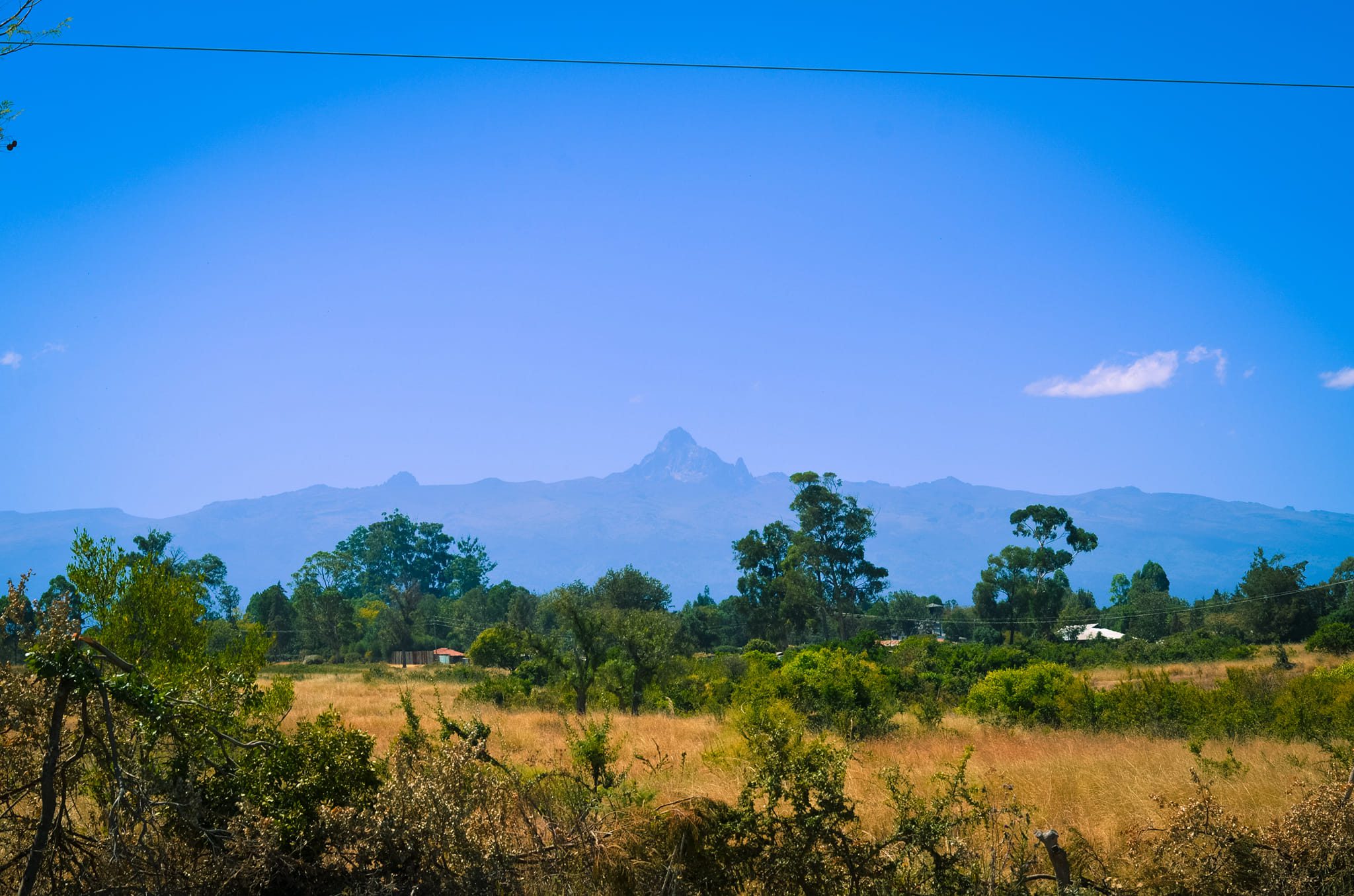
The next tallest mountain is Mount Kenya. It is an extinct volcano. It is also referred to as the “Place of Light.” Mt. Kenya is north of the equator in the central part of the country in Kenya National Park. Furthermore, the mountain has three summits, Batian, Nelion, and Lenana. Batian measures 17,057 ft. making it the second-highest peak in Africa, and the tallest in Kenya. Nelion and Lenana measure 17,020 ft. and 16,354 ft. There are treks to the summit. Those who have done it have said it is more difficult than Kilimanjaro.

  • Height: 17,057′
  • Country: Kenya

3) Mount Stanley

The third-highest mountain in Africa causes a bit of confusion. Some people will say Mount Ruwenzori. However, some say Mount Stanley. Nevertheless, the third highest mountain in Africa is Mount Stanley. The confusion comes from the fact that Mount Stanley lies in the vast Ruwenzori Range. Which cause more confusion are also called the Ruwenzori Mountains.

Mount Stanley has an elevation of 16,671 ft. above sea level. It is the highest mountain located between the borders of the Democratic Republic of Congo and Uganda.

The mountain consists of various lower peaks and two twin summits. Margherita Peak is the highest, followed by several other peaks.

Mount Stanley is a very unique African mountain. Near the summit, you’ll find glacial lakes and glaciers.

  • Height: 16,761′
  • Country: Republic of Congo and Uganda

4) Mount Meru

Mount Meru is Tanzania’s second-highest mountain. It’s located 43 miles west of Mount Kilimanjaro.

It is a dormant stratovolcano.

Many people use Mount Meru to prepare for Mount Kilimanjaro.

Around the base of Meru is Arusha National Park. The slopes are fertile and rise above the bordering savannah. They support the surrounding forest that is home to abundant wildlife. If you are a bird lover, you will find over 400 species of birds singing in the Park. The forest has leopards and monkeys as well as many other animals.

  • Height: 14,967′
  • Country: Tanzania

5) Ethiopian Highlands

They are located in the rugged mountains in the Horn Region of Ethiopia. The Ethiopian Highlands form the largest continuously elevated area in Africa.

The highest summit of the highlands is the Siemens Mountains marked by Mount Ras Dejen. It has an elevation of 14,927 ft.

In the eastern part of the highlands is another tall peak, Mount Batu which stands 14,130 ft.

The Ethiopian Highlands share similar flora and fauna to other mountainous regions of Africa.

However, the habitats are somewhat different on either side of the Great Rift Valley that splits the highlands. At lower elevations, the highlands are surrounded by tropical savannas and grasslands.

Geographers named the highlands the African Alps. The isolated and craggy Highlands are heaven for bird lovers. It has a native animal population believed to be the largest in Africa.

  • Height: 14,927′
  • Country: Ethiopia

6) Mount Karisimbi

Mount Karisimbi is the highest mountain within the Virunga Mountains range. The range is one of the most prominent mountain ranges in Africa. It is an inactive volcano and part of the Albertine Rift.

Unlike many mountains in Africa, snow forms on top of Mt. Karisimbi during the dry season which occur from June until August.

Mount Karisimbi is one of the major sources of relief rainfall in the region. That makes it an ideal area for grazing and farming.

Being the tallest mountain of the eight volcano chains in Virunga, it is the toughest to climb or hike. It takes about two to three days to hike the mountain. But the experience of climbing the mountain is unique. Your journey starts from the Volcanoes National Park which boasts bamboo forests and climbs steeply to the summit.

  • Height: 14,786′
  • Country: Rwanda and the Republic of Congo

7) Mount Elgon

Mount Elgon lies on the border between Kenya and Uganda.

Locals named the highest point of the mountain Wagagai. Wagagai is entirely in Uganda and is the tallest peak.

Mt. Elgon is a shield volcano. Geologists believe it is the oldest in East Africa.

Like other mountains in Africa, Mt Elgon has five peaks. They include: Wagagai, Sudek, Koitobos, Mubiyi, and Masaba. Sudek is a flat-topped basalt column. On top of the mountain are features like ancient royal graves and cliffs.

Also, you will find an intact caldera that is among the world’s largest.

  • Height: 14,176′
  • Country: Kenya and Uganda

8) Toubkal, Atlas Mountains

The Atlas Mountains are a range of mountains that stretch roughly 1,500 miles through Morocco, Algeria, and Tunisia. They are mostly located in southwestern Morocco.

The highest peak of the mountain range is Toubkal. Furthermore, Toubkal separates the Atlantic and Mediterranean coastlines. It is the most prominent and also the most popular destination for hikers and climbers.

The Atlas Mountains are a rich source of minerals and other natural resources. There are deposits of phosphate, silver, iron ore, copper, lead ore, marble, rock salt, mercury, natural gas, and anthracite coal.

All the natural resources in the area play a crucial role in the Moroccan economy.

  • Height: 13,671′
  • Country: Morocco

9) Mount Guna

Mount Guna is located in the Northern Amhara region of Ethiopia. It is the highest point in the South Gondar Zone.

The mountain is a source of various rivers in the region including River Gumar and River Rib. Most of the rivers flow downstream to form Lake Tana. Lake Tana is a catchment lake and wetland ecosystem. It serves as the source of fresh water in most parts of Ethiopia.

Local communities depend on the resources and the collection of Guna’s water.

  • Height: 13,517′
  • Country: Ethiopia

10) Mount Choqa

Mount Choqa is located on the south side of Lake Tana in the Gojjan region of Ethiopia.

Unlike many mountains in Africa, Choqa is not surrounded by forests. Instead, it has slopes that the locals cultivate to a height of 9,800 ft.

  • Height: 13,451′
  • Country: Ethiopia

Mount Kenya Climbing routes

The following descriptions are a brief introduction to the main routes in Mount Kenya.

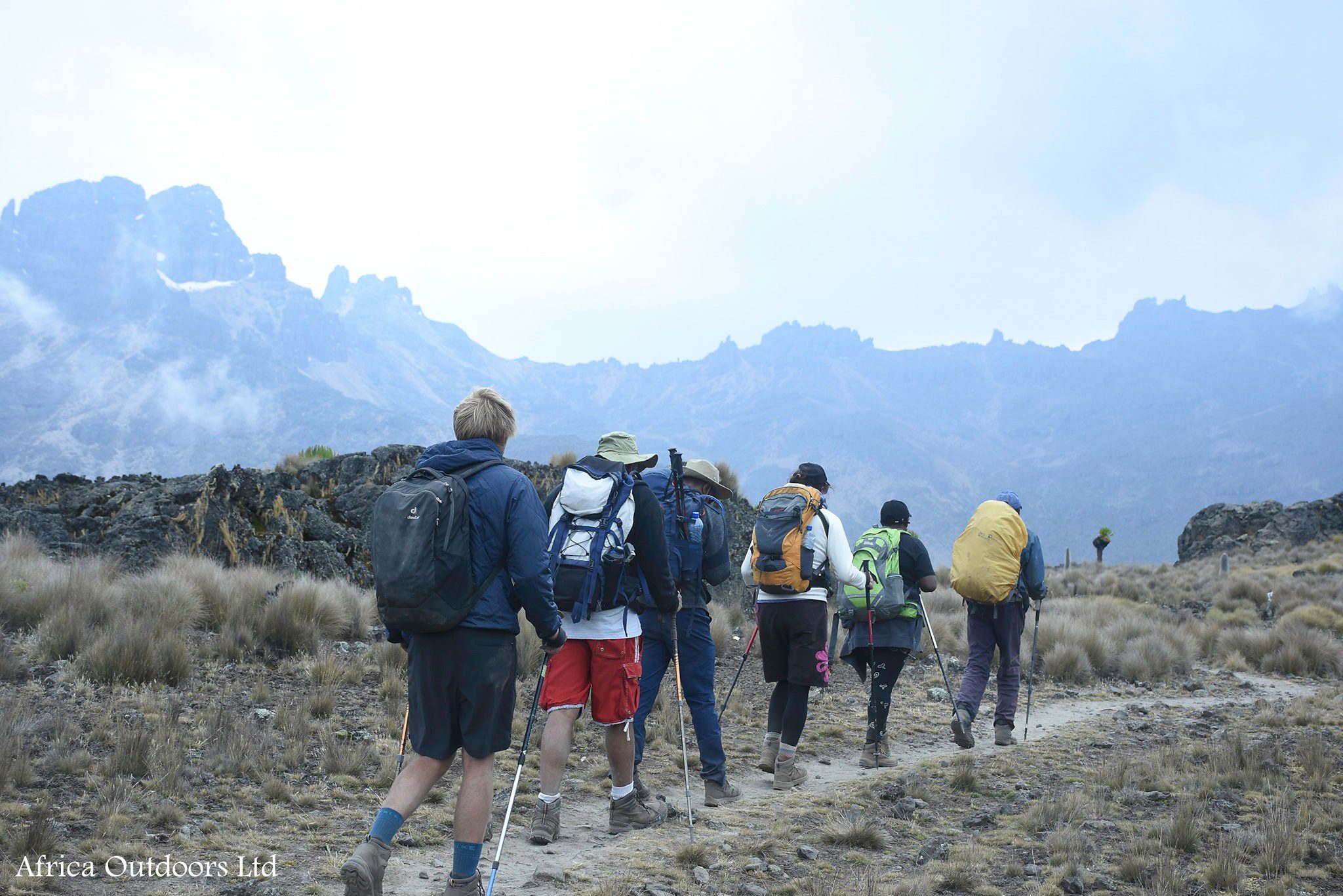
Mount Kenya has three main peaks, the two highest are highly technical (Batian and Nelion) and are rarely climbed in comparison to the third peak called Point Lenana which is a trekking peak. Other peaks on the massif also present interesting rock climbs.

There are three main routes on the mountain that cater for 90% of all trekkers visiting the mountain- Naro Moru to the West, Sirimon on the North West and Chogoria on the South East. Most people go up and down a combination of these three. You can camp or use huts on all three and the trek is normally 5 days to go up to Point Lenana and back down again.

There are a further five routes which are much less climbed  – Burguret on West, Timau on the North, Meru on the North East, Ithanguni on the East, and Kamweti to the South. These are all wild camping and the National Park often requires Rangers to attend a group because of wild animals. These routes don’t have official park gates, and route finding is much harder.

Access is good to the mountain, there is a good road from Nairobi and the journey is about four hours. Most people use Naro Moru, Sirimon route and Chogoria town or Embu as their base on the east side.

Mount Kenya is an extinct volcano with just one central vent. The main peaks are pretty much in the middle with ridges and valleys that radiate out from the summits like the spokes of a wheel. The routes follow the valleys up to the massif and the trekker then ascends scree and rock to the glaciated summit of Lenana, seen below on the right hand side. 

The two main peaks are the remains of the volcanic magma that solidified in the main vent and there is a roughly circular path that goes round them which is the Summit Circuit route. Point Lenana is a smaller sub peak to one side of the main peaks.

A number of huts are found on all the main routes. The mains camps on the western ascent routes are:

Sirimon – Old Moses Camp, Liki North Camp, Shiptons Camp
Naro Moru – Met Station, Mackinders Camp and Austrian Hut just below Pt Lenana

Route distances

Name           Starting From            Distance          Start Altitude
Sirimon RouteNorth-North-West ~25km2650m
Naro Moru RouteWest ~20km2400m
Chogoria RouteEast ~20+10km2850m/1700m
Burguret RouteWest-North-West ~25km1500m
Timau RouteNorth ~35km~3300m
Kamweti RouteSouth ~25km~3000m

Statistically about 15,000 people climb the mountain every year and the vast majority go to Pt Lenana at 4985 metres, the third peak on the mountain which is moderately easy to reach. The technical peaks of Nelion and Batian attract just a few hundred each year. 

Of the walkers, about 90% climb via the Naro Moru, Sirimon and Chogoria routes. They therefore have staffed park gates and facilities at the camps including huts and Rangers. The other routes – Burguret, Kamweti and Timau – attract about 5% of the total number and are much more wild with basic facilities and camping only.

1.Sirimon Route:

This route provides the easiest and most scenic access to the Northern side of the central peaks, which include Batia, Nelion, and Lenana. The track is 15 km from Nanyuki town heading towards Meru. This route has a lot of advantages that make it more favorable and comfortable.

  • It lies on the northwestern side of Mt. Kenya, and generally escapes some rainfall, making it drier than other routes most times of the year.
  • There are two permanent camps, the Old Moses at 3300 m and Shipton’s camp 4200 m (overlooking the main peaks)
  • From the Mackinder valley, where the Shipton camp stands, you have the panoramic view of all the main peaks including Terere and Sendeyo two ancient parasitic vents of the main peaks.
  • Water is plentiful and you can always refill your bottles.
  • You also have a chance to cross the Equator both at Nanyuki and on your way to Old Moses Camp.

2.Chogoria Route:

This route provides access to the peaks, from the eastern side of the mountain. The route begins from chogoria town; about 96km from Embu and 64km from Meru. It is regarded as being the most beautiful route to the mountain. Ernest Carr, who made a vehicle track to the moorland, opened it in the 1920s. It is, however, a much longer route, compared to the others.

Camping is possible at the road head and water is available from a stream that passes by. Mintos Hut (4,300m) is an excellently sited hut on the plateau overlooking Lake Michaelson 300m below. Spectacular views can be sighted at the Nithi George, by walking ten minutes south-east of the Mintos hut to the edge of the “Temple.” From Hall Tarn, the trail continues to the Austria Hut (4,790m) via square Tarn and the Tooth Col, then round the head of the Hobley Valley. Alternatively, Shipton’s Camp (4,200m) may be reached (3 hours), via Simba Col. Drop down towards lower Simba Tarn and turn left to Shipton’s Camp.

3.Naru Moru Route;

The path contours along the right-hand side of the Teleki Valley, keeping high and then gradually descending to pass Naro Moru stream to Mackinder’s Camp (4,200m). From Met Station to Mackinder’s camp is app 5-6 hours of hiking. The Austrian hut can be reached in a further 4 hours walk and another 45 min you see point Lenana (4985m)

4.Burguret route;

From ‘Campi ya farasi’, the trail swings left and climbs steeply out of the valley. The ridge bears right again, and a walk over rocky ground brings you round the hill. The trail then swings to the left via the Hausberg Col and Oblong Tarn to Mackinder’s valley and descends down to Shipton’s Camp (4,200m).

5.TIMAU ROUTE
6.KAMWETI ROUTE

TECHNICAL SUMMITS – BATIAN & NELION

Point Lenana is the third highest point on Mt Kenya after the technical peaks of Nelion and Batian. These peaks are part of the same large body of rock and are separated by a large notch called the gate of the Mists. There are two main ‘standard’ routes to the technical summits. As the peak is essentially on the equator, the sun is on the North faces during UK summer and South faces during the UK winter, though note that on the equator there isn’t really a summer and winter, only really dry and wet seasons. You, therefore, climb the routes that are in the sun so that they are more free from ice and your hands and feet don’t go numb from being in the shade hanging off ice cold rock! Therefore broadly speaking, you would go via the North face to Batian in the UK summer and via the south side during UK winter. The standard south route is the South East face of Nelion, this requires crossing Nelion (and the gate of the mists) to get to Batian.

Other Peaks

Some of the lower grade climbs are as follows (grades are given indicatively only)

  • Midget Peak SW Gulley; UIAA III+
  • Point John SE Gulley; UIAA III
  • Point Peter NE Gulley/Ridge; UIAA III
  • Point Dutton NW Face; UIAA II
  • Delamere Peak N Face; UIAA II
  • Point Pigott NW Face; UIAA III
  • Sendeyo S Face; UIAA III
  • Tereri NW Ridge; UIAA II
  • Krapf Rognon SE; Grade 3 Scramble
  • Point Melhuish; ~Grade 3 Scramble
  • Shipton’s Peak; ~Grade 2/3 Scramble
  • Tilman Peak; ~Grade 2/3 Scramble
  • Grigg Peak; ~Grade 2/3 Scramble
  • Sommerfelt Peak; ~Grade 2/3 Scramble
  • Castle Hill; ~Grade 2/3 Scramble

Climb Mount Kenya with kilibackpackers for a professional personal service and a great team of guides and staff.

Preparing to Climb Mount Kenya

Unlike other mountains, to Climb Mount Kenya holds a special place for many Kenyans. It’s the mountain under which the country is named. Some consider the mountain Sacred, while others wish to ascend to the highest point there is, in the country.

In this Post I’ll address what an amatuer hiker who has ‘Climbing Mount Kenya’ on their bucket list needs to know.

Getting Your Body Ready to Climb Mount Kenya

Climbing Mount Kenya is a challenging and rewarding experience. Here are some general steps to help you prepare for a successful climb:

  1. Physical fitness: Mount Kenya is the second highest mountain in Africa and climbing it requires a good level of physical fitness. Start a training regimen that includes cardiovascular exercise, strength training, and hiking to build your endurance and strength.
  2. Altitude acclimatization: Mount Kenya’s peaks reach high altitudes, so it’s important to acclimatize properly to prevent altitude sickness. Consider spending a few days at high altitude before attempting the climb to help your body adjust.
  3. Gear preparation: Make sure you have the right gear for the climb, including proper hiking boots, warm clothing, a good sleeping bag, a tent, and other necessary equipment. Renting or purchasing gear locally in Kenya is also an option.
  4. Guide or tour company: Unless you are an experienced mountaineer, it is highly recommended to hire a guide or join a tour company for your climb. They can provide essential support, local knowledge, and ensure your safety during the climb.
  5. Permits and logistics: Obtain the necessary permits for climbing Mount Kenya and arrange transportation to the starting point of your chosen route. Research the different routes available and choose one that suits your experience level and preferences.
  6. Mental preparation: Climbing a mountain like Mount Kenya can be mentally challenging. Be prepared for long days of hiking, changing weather conditions, and physical exertion. Stay positive, focused, and determined to reach your goal.
  7. Stay hydrated and well-fed: Proper nutrition and hydration are essential during a climb. Make sure to carry enough water and snacks to keep your energy levels up throughout the journey.
  8. Respect the environment: Mount Kenya is a UNESCO World Heritage Site, so make sure to follow Leave No Trace principles and respect the environment during your climb.

Remember that climbing a mountain like Mount Kenya can be dangerous, so always prioritize safety and listen to your guide’s instructions. Enjoy the experience and the stunning views that Mount Kenya has to offer!

Places you can do pre Hikes in kenya in preparation for Mount Kenya Trek.

1.Mount Longonot

2.Elephant hill

3.Mount Satima

4.Mount Kipipiri

Hiking Gear

Mount Kenya has three peaks Lenana, Nelion and Batian.It’s Lenana that you want to train your mind on.. it’s a trail and hiking route that doesnt require technical climbing with rope, cord and webbing. Mount Kenya is a Cold weather hike, for most part. You start with rainforest and bamboo on on the lower part, then head for the moorlands and towards the top it’s rocky with glaciers.

So you want to have the proper gear for each level of hiking.

  • Footwear
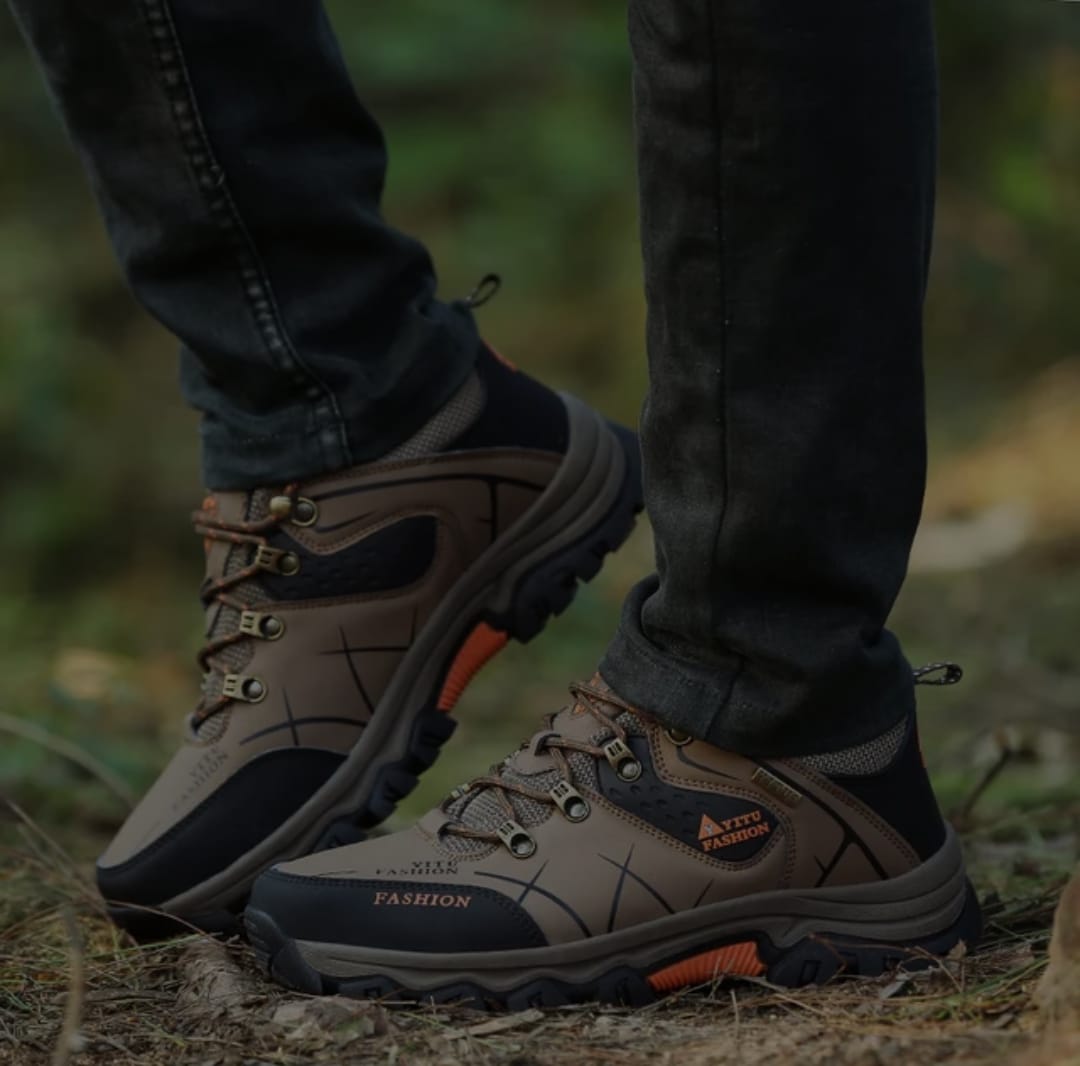
    • Insulated hiking boots (one pair good quality that fits is enough)
    • Woolen socks (a pair a day or atleast two pairs)
    • High gaiters
  • Hats
    • Lightweight fleece or wool hat (for lower and middle levels)
    • Heavyweight fleece or wool hat (for summit day)
  • Gloves
    • Lightweight fleece or wool gloves (for lower and middle mountain levels)
    • Waterproof shell mitts or gloves, with insulated liners (for summit day)
  • Jackets
    • Puffy insulated jacket with attached hood
    • Rain Poncho (rain proof jacket)
  • Pants
    • Hard shell pants that are waterproof and windproof with full-length zippers along the sides (for summit day)
    • Softshell pants or light waterproof track suit
  • Mid-Layer Insulation
    • Fleece jacket, fleece pullover, fleece vest, insulated vest or softshell jacket (at least one, possibly several)
  • Base-Layer Insulation
    • Long sleeve jersey
    • Long underwear
    • Boxer jock underwear to prevent chafing
  • Spare Clothing
    • Long sleeve jersey
    • Long underwear
    • Extra pair of socks
  • Water Bottles
    • Two or three 1-liter wide-mouth water bottles (hydration system hoses freeze up and should be avoided)
    • Water bottle insulation, if bottles are stored outside your backpack
  • Bacckpack
    • 35-45 liter rucksack bag to be carried by porters and a backpack with essentials.
    • Extra webbing straps as needed for attaching more gear
  • 10 Essentials
    • Map (optional with guide)
    • Compass (optional with guide)
    • Whistle
    • Headlamp (needed for summit day)
    • Personal first aid kit (in you have chronic illness consult your doctor first, some pills may relax your muscles and nerves which will be counterproductive in climbing, and you fall asleep on the trail)
    • Fire starting materials (optional, if you have guide)
    • Small knife or multi-tool (in group hikes, only guides are allowed to carry)
    • High energy snacks (you need this, as official meals are at designated places)
    • Sun glasses and sun screen (optional, any moisturiser works)
    • Toilet paper
  • Survival Gear – Guides and porters will help organise or carry:
    • Sleeping bag
    • Sleeping pad
    • Lightweight bivy sack or tent body without tent poles
    • White gas stove, fuel, pot, stove base
    • Group first aid kit
    • easy to cook food

The above list seems like too much, and quite an investment, that’s why we encourage Adventurers to join smaller day hikes and see how other hikers improvise. There is a lot to learn, even by relating with others who have hiked before you.

Join Our Newsletter to be alerted on Hiking Activities in the coming weeks and when it’s best to climb mount Kenya

Back to Top
Product has been added to your cart
Compare (0)